What is good to soak in bath
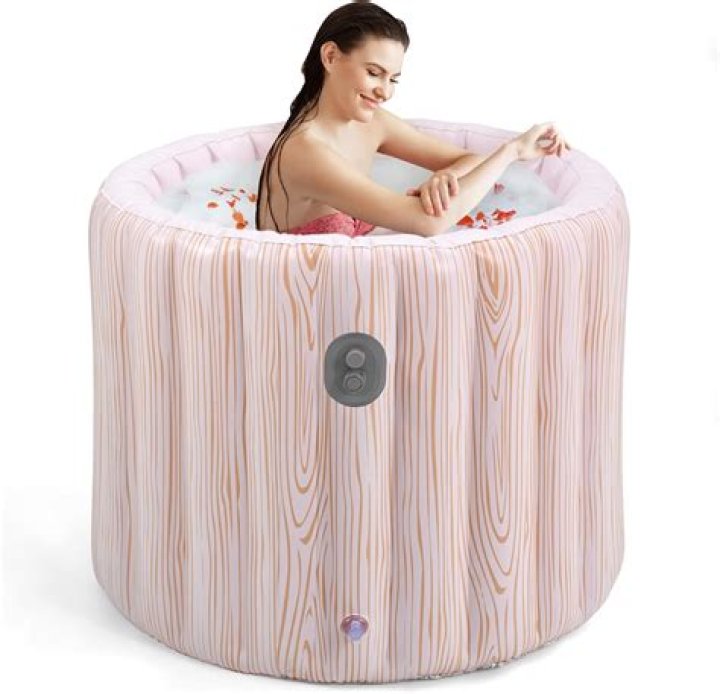
1. Olive oil. “Pour a cup of olive oil into your bathtub and soak for 10 minutes,” says Dr. Zeichner. “Olive oil is rich in natural fats that hydrate dry skin.” (Note: He does not recommend olive oil for acne-prone skin, especially if you experience breakouts on your chest or back.)
What to put in your bath to make you feel better?
- Mix 1/3 cup of Epsom salt, 1/3 cup of sea salt, and 3 tablespoons of ground ginger. You can also add 1/3 cup of baking soda, if you choose. …
- As the bath fills, add 1 cup of apple cider vinegar.
- Bathe for up to 45 minutes and drink water as you soak. …
- Dry off immediately after leaving the bath.
What can I put in my bath water to balance pH?
Dissolve 1/2 a cup of baking soda in a tub of warm water. Soak for up to 30 minutes.
How do you make your own bath soak?
In a large bowl, mix to combine: 6 parts coarse sea salt; 3 parts epsom salts, to soothe tired muscles and reduce inflammation; and 1 part baking soda, to soften waters and alleviate skin irritation. Add a few drops of essential oils and combine. Add a few drops of food coloring, until you achieve the desired shade.What should I put in my bath for pH balance?
Baking soda Add 4-5 tablespoons to your bath. Benefits – Calms, relieves and soothes irritated skin. Balance it out – Baking soda restores pH balance & neutralises skin acidity.
How do you have a relaxing bath?
- Light Some Candles. Bath time is all about setting a scene and overhead lighting is just not part of a relaxing experience in my opinion. …
- Add Bath Salts. …
- Use Essential Oils. …
- Indulge in Bath Oils, Too. …
- Put On a Face Mask. …
- Play a Mediation App. …
- Don’t Forget Luxurious Textiles.
What does a vinegar bath do for females?
It has powerful antimicrobial properties that may help ease skin infections and soothe irritation. As a mild acid, ACV may also help restore the natural pH balance of your skin. This helps your skin keep moisture in and irritants out.
What good are bath salts?
Most of us use bath salts as a way to enhance a relaxing soak in the tub, but bath salts are believed to provide several health benefits for people with: muscle pain and stiffness. stiff, aching joints. arthritis.Why do I feel sick after Epsom salt bath?
Some cases of magnesium overdose have been reported, in which people took too much Epsom salt. Symptoms include nausea, headache, lightheadedness, and flushed skin ( 2 , 10 ). In extreme cases, magnesium overdose can lead to heart problems, coma, paralysis, and death.
What can I use in place of Epsom salts?Baking soda, also known as sodium bicarbonate, can be used as an Epsom salt alternative as well. Baking soda is not only used for therapeutic purposes as well as a remedy for sunburn and itchy skin but also to ease sore muscles by adding into baths. A bath with baking soda can be detoxifying and soothing.
Article first time published onHow do you do a herbal bath?
- Bring the water to a boil and pour it over the dried herbs.
- Cover, and let steep for at least 20 minutes.
- Strain the liquid through a tea strainer, cheesecloth, or an old, clean shirt.
- Add the tea directly to a full, warm bath. For additional relaxation, add 2 cups of Epsom salts directly to the bath.
How often should a woman take a bath?
It may sound counterproductive, but a shower every day could be bad for your skin. Some dermatologists only recommend a shower every other day, or two to three times a week. Many people hit the shower at least once a day, either in the morning or at night before bed.
How do you tell if your pH balance is off?
- a foul or fishy smell.
- unusual white, gray, or green discharge.
- vaginal itching.
- burning when you urinate.
How often should a woman take a vinegar bath?
Special Considerations. * ACV baths are typically done two to three times a week or as prescribed by your healthcare provider. * After an ACV bath, to prevent recontamination, the use of freshly laundered towels, pajamas, and sheets (and even plush toys) is recommended. * Do not use vinegar directly on the skin.
Can you soak a tampon in vinegar?
Some people seem to think so. Internet theories promoting direct application of diluted vinegar, including douching with it and inserting a vinegar-soaked tampon are floating around out there just begging for investigation. The verdict: You should not be doing any of this.
How can you take a bath without a yeast infection?
- Avoid cleaning your genital area with soap. Instead, rinse thoroughly with water only and dry completely with a soft towel. …
- Change out of a wet bathing suit right after swimming.
- Change out of workout clothes and take a shower immediately after exercising.
- Always wipe front to back.
How long should you stay in a bath?
“10 to 20 minutes is plenty of time to get all the benefits of a bath,” says Mattioli. She further explains, “Heat dilates the blood vessels and encourages sweating, blood-flow improves, and the body makes better use of its insulin.” But staying in longer doesn’t necessarily improve on any of these benefits.
How do you make a bath really bubbly?
What makes the bubbles? Bubbles are made up of two layers of soap molecules that surround a thin layer of water molecules. For a truly bubbly bath, you’re best off adding the mix you’ve created into the stream of running water straight from the tap. The stronger the water pressure, the bigger the bubbles.
Should you rinse off after an Epsom salt bath?
Soak for approximately 20 minutes and to increase the effectiveness of the bath do not rinse off before getting out of the tub, just dry off with a towel and retire for the evening.
Should I shower after an Epsom bath?
Take your bath before bed for maximum relaxation. Shower immediately after the bath to rinse the Epsom salts from your skin, which can dry your skin.
How many pounds can you lose in an Epsom salt bath?
A 150-pound person will burn 51 calories in 30 minutes in a 100 degree Fahrenheit Epsom salt bath. The calories burned are a function of the water temperature and not the presence of Epsom salt in the water.
Does a salt bath help you lose weight?
There’s no scientific evidence that Epsom salt baths will help you lose weight. Epsom salt baths *do* have a ton of other health benefits, like relieving tension and pain.
Can I use table salt in bath?
Iodized table salt is a salt, but should not be used for bath salts. It is highly refined and has a trace amount of added iodine. When bathing, some of the salt is absorbed by the skin and any sensitivity to iodine will cause a skin reaction from the salt.
Why are salt baths good for you?
Studies show that regular salt soaks can work to promote our most optimum level of biological and cellular function. This ritual can also aid internal hydration while helping to replenish the body’s electrolytes. Soaking in a salt bath also helps to improve our overall immunity and balance our alkaline / acid levels.
Can I use normal salt instead of Epsom salt?
Overall, Epsom salt and table salt are not really comparable — it’s an apples and oranges situation. Regular salt isn’t going to provide healing benefits the way Epsom salt does thanks to the dramatic differences in the two substances’ basic chemical makeup.
Can I make Epsom salt at home?
In general, you’ll mix 3 cups of Epsom salt with about 1.5 cups of coarse sea salt and 1/2 cup baking soda, then add 15-20 drops of essentials oils and mix. Store in a cool, dry place and use about 1/2 cup in each hot bath. Again, print the recipe below. IMPORTANT!
Is a baking soda bath safe?
Baking soda baths are typically safe. However, dissolved baking soda can be absorbed into the skin, and some groups of people should avoid baking soda baths, such as those who: have high blood pressure. have serious infections or open wounds.
What herbs can I put in a bath?
Some classic herbs to use as a bath tea, salt soak, or for aromatherapy include lavender, rose, chamomile, calendula, peppermint, rosemary, geranium, grapefruit, orange, fir, cleavers, oat tops, ginger, jasmine, and ylang ylang.
Can I put tea bags in my bath water?
Drinking tea can have many benefits for your skin, but tea can also be absorbed topically in your bath. Often known as a “tub tea”, you can add three to five tea bags to your bath, follow our easy recipe for DIY bath tea, or, to reap even more tea benefits, brew a pot of strong tea and add it to your bath water.
What is a healing bath?
Spiritual baths have been used in many cultures to cleanse the soul, clear the mind, and ultimately heal the chakras with an intention to heal the spirit. The idea of a spiritual bath is said to help clear any blockage that can lead to more serious illnesses. These baths start with a clean and clutter-free tub.
Why do the French not bathe?
The habit of bathing took another big hit during the 14th century when medical experts at the Sorbonne in Paris declared washing a health concern. Warm water opened pores, and so could increase a person’s risk of contracting the bubonic plague, they claimed (incorrectly).