What fats are good for cats
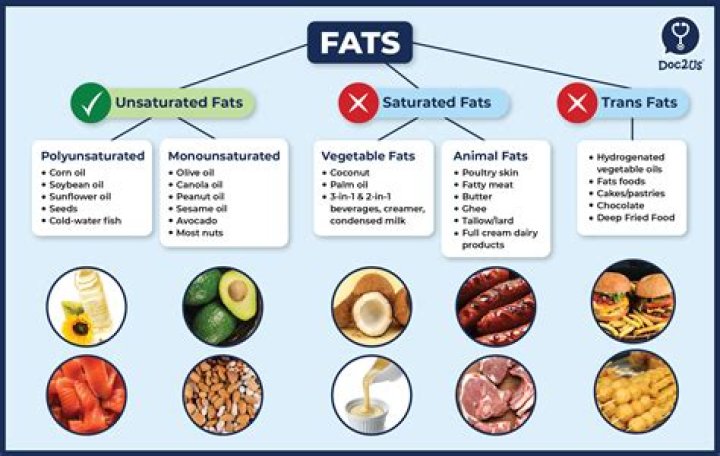
Animal fat and vegetable oil are often used as sources of fat in the diet of dogs and cats. Linoleic acid is found in the fat of poultry, beef and pork but the best sources are corn, soybean, and safflower oil.
What fats can cats eat?
- Fish Oil. Fish oil is packed with two essential fatty acids, including eicosapentaenoic acid (EPA) and docosahexaenoic acid (DHA). …
- Cod Liver Oil. …
- Hemp Oil. …
- Flaxseed Oil. …
- Krill Oil. …
- Coconut Oil. …
- Olive Oil. …
- Sunflower Oil.
How can I add fat to my cats diet?
- Find a Type of Food That Fits Your Cat’s Preferences. …
- Make Sure the Food Fits Their Nutritional Needs. …
- Feed Small, Frequent Meals. …
- Try Warming Up Your Cat’s Wet Food. …
- Offer the Right Snacks Between Meals. …
- Decrease Your Cat’s Anxiety.
What is a healthy fat for cats?
Fat. Cats need 20 to 24 percent fat in their food. It’s important that both protein and fat be relatively high to ensure a quality diet. Cats will be attracted by food with high concentration in these areas.Are fats bad for cats?
Fat is an important nutrient for your pet – it provides energy, insulation, cushioning, and has many other important roles in animals’ bodies. Both too little and too much fat can cause health issues in dogs and cats.
Is olive oil OK for cats?
Olive oil is considered a healthy part of human nutrition, but can cats eat olive oil? Yes, although it may not be a good idea. Although olive oil isn’t considered poisonous to cats, consuming too much of any fat, including olive oil, may cause your cat to experience diarrhea and vomiting.
Is chicken fat OK for cats?
Fat Trimmings and Bones Table scraps often contain fat trimmed off of meat and bones. Both fat and bones may be dangerous for cats. Fat, both cooked and uncooked, can cause intestinal upset, with vomiting and diarrhea. And a cat can choke on a bone.
Is pea fiber bad for cats?
Pea fiber is a pet food filler and high in insoluble fiber. Neither ‘fillers’ nor high fiber ingredients are part of a species-appropriate diet for pets.Is bacon grease good for cats?
4. Bacon, Ham and Fat Trimmings. Bacon, bacon grease, ham, and fat trimmed off meat or bones contains a lot of salt and/or fat and at the least can cause indigestion, vomiting, and diarrhea in both dogs and cats. These foods can also cause pancreatitis, a serious, potentially deadly inflammation of the pancreas.
Is chicken meal bad for cats?No, chicken meal is not bad for our pets. It can provide a suitable source of protein, but the source of chicken or other meat meals can be a mystery.
Article first time published onDoes salmon oil help cats?
For older dogs and cats, salmon oil is a really good diet addition to keep them more active. Salmon oil also contributes to a healthier weight by supporting better mobility. Giving older pets salmon oil can also help in keeping their cognitive function high.
Can you feed lard to cats?
Can pet cats eat lard? – Quora. Yes, but only if it is actually lard, not some chemical concoction like Crisco. Real lard (from animal fat) is a very beneficial fat, in small doses. It is best to get the lard from pastured animals, and to use it sparingly, perhaps a level teaspoon once of twice a week added to food.
How can I add protein to my cats diet?
Common sources of animal proteins in cat food include beef, chicken, turkey, lamb, and fish. In addition to seeing these animal proteins on a label, you may also see different meat meals or meat by-products.
Is Salmon OK for cats?
Salmon is another type of fish that contains plenty of protein, omega 3 fatty acids and nutrients that are good for cats, but similarly to tuna, it should not be the main portion of your cat’s diet.
Is almond milk good for cats?
DEAR SANDI: Nothing in milk — cow’s, almond or soy — is lethal or toxic to cats, but cats don’t produce much of the lactase enzyme necessary for the healthy digestion of milk. As a result, it gives them a tummy ache. Although almond and soy milk don’t contain milk, they can cause some stomach upset in most cats.
What can I feed my picky cat?
Dr. Fox recommends feeding your picky cat a wet food diet or a combination of wet and dry food. “Wet food diets are typically more tasty,” she explains. Plus, she adds, “they have more water in them, which is beneficial since cats are prone to developing kidney diseases as they age.
Is boiled chicken good for cats?
Cooked meat such as boiled chicken may also be offered occasionally, but please ensure there are no cooked bones, onions/onion sauces or other toxic substances present (see below).
Can you give cats chicken and rice?
The best non-prescription bland diet for cats and dogs is rice with plain chicken or turkey. You can use either chopped boiled chicken or turkey, or baby food of that kind. The meat should be unseasoned. … Give this bland diet in small amounts 3-4 times a day for the next 3-5 days.
Can I feed my cat chicken everyday?
Remember to include chicken as part of your cat’s daily treat allowance, fed in conjunction with a balanced diet. Feeding only cooked chicken long term can lead to nutritional deficiencies.
Is tuna in Olive Oil OK for cats?
What Kind of Tuna Can Cats Eat? If you choose to offer your cat the occasional tuna treat, you can choose canned tuna or fresh tuna. Select canned tuna packed in water, not canned tuna in oil or canned tuna with added salt or other flavorings.
Is Avocado oil good for cats?
Yes, cats can safely eat small amounts of avocado oil. You should check with your veterinarian before giving it to your cat. They may recommend avocado oil for topical application to improve your pet’s fur and coat. Just make sure that the oil is pure and without any additives.
Is Coconut Oil OK for cats?
Although coconut oil is not poisonous to cats, it may not be the ideal addition to every cat’s diet. Any change in diet, supplements, or medications can affect your cat’s health. Depending on your cat, increased fat in the diet may lead to weight gain or digestive issues.
Can cats have beef grease?
Beef grease could be a part of a cat’s normal diet, though not in the quantities you describe your cat consuming at this time. As such it is not inherently poisonous to her, however this sudden influx of a very fatty substance could cause her some digestive upset. Your cat may vomit or have diarrhea.
Can cats eat cheese?
Cheese is not a natural part of a cat’s diet. Cats are obligate carnivores, which means they can only get necessary nutrients from meat. But even though cheese is also high in protein, it can upset a cat’s delicate digestive system.
Can cats have bananas?
Can Cats Eat Bananas? Bananas are a safe and healthy treat for your cat, but they need to be given in small amounts like all the items on this list. Your cat shouldn’t eat a banana—or even half a banana. … Don’t be surprised if your cat turns her nose up at your offering.
Is xanthan gum OK for cats?
So, while not a common ingredient in our own kitchen cabinets, xanthan gum seems to be a safe and effective thickener and stabilizer for use in specialty dog and cat foods.
Is alfalfa safe for cats?
Cats can safely munch on most grasses including wheat, fescue, barley, oat and rye. Some cats even relish alfalfa or bean sprouts. Both sprouts and grass are easy to grow, and they are both ready to eat within a week.
Is potato starch OK for cats?
Cats are obligate carnivores, and simply do not need grains in their diet, particularly corn or wheat. (Corn is a cheap filler, and many cats are allergic to wheat.) I look for carbohydrates such as green peas, sweet potatoes, or potato starch.
What protein should cats eat?
It is for the following reasons. Cats are obligate carnivores. They are designed to eat meat, not plants. An ideal diet for a cat would be five-to-six mice per day — for your information, mice are high in protein (48 percent), low in carbohydrates (5 percent) and approximately 48 kcal per mouse.
Is turkey meal good for cats?
A great source of high-quality protein for your cat because it contains more protein than fresh turkey.
What is high-quality protein for cats?
High-quality Protein Sources At least three types of meat provide optimal nutrition for your cat: chicken, fish and lamb. These three meats serve as high-quality protein sources when they are blended into well-balanced commercial cat foods, and they can satisfy your kitty on several counts.