What causes ketosis in sheep
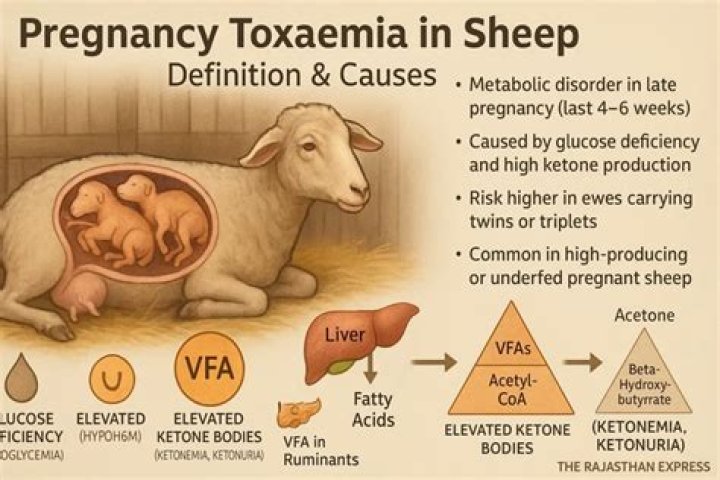
Pregnancy toxemia, also known as ketosis, is a metabolic disease that occurs in late pregnancy. It is most prevalent in ewes carrying two or more lambs or in very fat ewes. Ketosis is caused by a disturbance in carbohydrate usage in the animal. As a ewe’s pregnancy progresses, the energy demands of her body increase.
What causes toxemia in sheep?
The principal cause of pregnancy toxemia is low blood sugar (glucose). Onset of the disease is often triggered by one of several types of stress including nutritional or inclement weather. The disease is most prevalent in ewes and does carrying two or more lambs or kids.
How do you prevent toxemia in sheep?
How can I prevent pregnancy toxaemia? Good nutrition and careful management are the keys to avoiding pregnancy toxaemia. Lambing ewes require feed on offer of more than 1500 kilograms per hectare during lambing. If this is not available, provide a supplementary source of energy, such as good quality hay and grain.
How do ewes prevent ketosis?
To prevent ketosis in sheep, it is important to identify the animals carrying twins or triplets, separate them and provide them with a diet that will meet their increased energy demands. The level of nutrition should be increased gradually over the last 6 weeks of sheep gestation.What are the signs of pregnancy toxemia in sheep?
Ewes in early stages of pregnancy toxemia will go off feed and appear lethargic. Their heads droop and they lag behind the rest of the flock and walk aimlessly. Teeth grinding and twitching is common. Eventually, affected ewes become depressed, weak and have poor muscle control.
What are the symptoms of calcium deficiency in sheep?
In the instance of a ewe carrying twins in late gestation, calcium levels that are too low can result in hypocalcemia, also called milk fever. Clinical signs include weakness, lack of appetite, muscle tremors and inability to stand.
How do you treat ketosis in sheep?
Treatment. Treatment of ketosis is relatively simple – administer a readily usable form of energy (usually glucose) and get the ewe eating on her own again (usually with the help of anabolic steroids). Once she is eating, add an energy supplement to her ration to increase energy intake.
What is Pregtox in sheep?
Pregnancy toxemia is a common metabolic disorder of ewes that is caused by the increased energy requirements in the late stage of pregnancy being greater than the energy provided by the diet consumed. It occurs in sheep usually carrying multiple fetuses. It is widespread and may affect any age or breed of pregnant ewe.How is twin lamb disease Prevented?
How can you prevent the disease? The key to preventing and reducing the likelihood of twin lamb disease is good nutritional management of the pregnant ewe. It is very important to regularly assess the body condition score (BCS) of pregnant ewes.
What is propylene glycol used for in sheep?Partnar Propylene Glycol is indicated as an aid in the treatment of acetonemia (ketosis) in cattle and sheep.
Article first time published onWhat causes ketone?
Ketone bodies are produced by the liver and used peripherally as an energy source when glucose is not readily available. The two main ketone bodies are acetoacetate (AcAc) and 3-beta-hydroxybutyrate (3HB), while acetone is the third, and least abundant, ketone body.
What does ketosis mean?
Ketosis is a process that happens when your body doesn’t have enough carbohydrates to burn for energy. Instead, it burns fat and makes things called ketones, which it can use for fuel. Ketosis is a word you’ll probably see when you’re looking for information on diabetes or weight loss.
How is pregnancy Toxaemia treated in sheep?
- Treat ewes with pregnancy toxaemia early with oral products such as glycerol, propylene glycol or concentrated rehydration solution, or inject with glucose.
- Administer sodium bicarbonate to help counteract acidosis.
- Consider caesarean section or artificial induction of parturition with the farm vet.
Why is my lamb staggering?
Enterotoxemia or Overeating Disease: Occurs in lambs fed large amounts of grain. Symptoms are staggering gait, moving in circles and convulsions. Consult your veterinarian for recommended vaccination programs.
Is preeclampsia the same as toxemia?
What Is Preeclampsia? Preeclampsia, formerly called toxemia, is when pregnant women have high blood pressure, protein in their urine, and swelling in their legs, feet, and hands. It can range from mild to severe. It usually happens late in pregnancy, though it can come earlier or just after delivery.
Why are my ewes dying?
It is associated with simple starvation, ewes too fat in early pregnancy, ewes too fat in late pregnancy and that voluntarily reduce feed intake, poor quality feed, and ewes subjected to stress in late-pregnancy (eg, trailing or transport, or severe environmental changes).
What are the signs of ketosis in goats?
Signs: Signs of ketosis include depression, lack of appetite and decrease in milk production if lactating. The goat’s breath will have a sweet smell, which some humans can detect. Urine tests with ketone strips will be positive for ketone bodies. Fecal output is reduced to a few small, dry pellets.
What are the symptoms of twin lamb disease?
Separation from the flockDeath 5 – 7 days after the first signsStanding still when approachedBlundering into objects when movedDrowsinessHead pulled back or sidewaysStanding in water lappingThick yellow discharge from the noseApparent blindnessTremors and spasms of head, face and neck muscles
How do you prevent hypomagnesemia in sheep?
Offering feed such as hay in the field also offers a place for the ewe and lambs to shelter, allowing her to eat while sheltering from poor weather. Routine soil analysis shows the Magnesium level of soil. Use of Magnesian limestone rather than Calcium limestone, maintains the levels.
What are the symptoms of magnesium deficiency in sheep?
Deficiency, or hypomagnesaemia, is most common 4 to 6 weeks after lambing when deficient animals show very characteristic symptoms including uncoordinated walking, trembling or recumbency. Sheep have very small reserves of magnesium to buffer changes in absorption of magnesium.
How do I feed my sheep calcium?
Finely ground limestone is the best of the calcium supplements tested to feed to sheep. It is safe, and even when fed at the 30 per cent level used as an appetite limiter in self-feeders by some farmers, it has produced no ill-effects providing the cereal grain contains at least 0.26 per cent phosphorus.
Can a ewe get twin lamb disease after lambing?
As the name suggests, it is most commonly associated with ewes carrying multiple lambs. 75% of foetal growth occurs during the last six weeks of pregnancy, leading to a large increase in energy demands of the ewe. Failure to supply this demand can lead to twin lamb disease.
How can you tell if a sheep has twins?
Clinical signs of Twin lamb disease In the later stages, they may shake, circle, twist their neck, lift their head high, teeth grind and have a dull appearance. Loss of appetite, apparent blindness and signs of inability to stand are also common signs. Ewes near lambing may be weak and experience lambing problems.
Why do ewes get twin lamb disease?
Twin Lamb Disease (TLD) can occur in thin or over fat ewes and is triggered by a stressful event such as a change in weather, change in diet or foot problems which results in a critical shortage of blood glucose causing a demand on the ewe using her backfat for energy.
Why do lambs shake after feeding?
Low body temp makes it harder for the lambs to move around to nurse, furthering hunger and starvation. Shivering, one of the early warning signs of impending hypothermia, steals energy from the already-hungry lamb. The lamb is too cold to move, she can’t nurse, she has no energy, and so she gets even colder.
What is Ringwomb in sheep?
Ringwomb is an incompletely dilated cervix more than six hours after foetal membranes first appear at the vulva. Typically the entrance to the womb is only 3 to 5 cm in diameter allowing passage of only two or three fingers. The number of cases of ringwomb in a flock varies between farms and between years.
What is lambing sickness?
Lambing sickness (pregnancy toxaemia or twin lamb disease) and milk fever (hypocalcaemia) are 2 metabolic diseases affecting ewes in the late stages of pregnancy. Lambing sickness is the most common of the 2 diseases. In severe cases, it can cause a high loss of ewes and lambs.
Does propylene glycol help with ketosis?
Propylene glycol (PG) can alleviate NEB through gluconeogenesis and inhibit the synthesis of ketone bodies. In addition, PG improves milk yield, reproduction, and immune performance by improving plasma glucose and liver function in ketosis cows, and reduces milk fat percentage.
What does propylene glycol do for animals?
In veterinary medicine propylene glycol is used for the treatment of acetonaemia and ketosis. It is administered orally, at doses of up to 200 ml, twice a day for 4 days to cattle, and 100 ml/day, for up to 5 days for sheep.
Is propylene glycol antibacterial?
Propylene glycol has a moisturizing effect. It can absorb some moisture from the air to the skin, avoiding dry skin caused by the volatilization of liquid after rubbing. In addition, the antibacterial activity of propylene glycol can delay the growth of bacteria on wet wipes, thereby protecting the safety of users.
How are ketones formed in DKA?
Without enough insulin, your body can’t use sugar properly for energy. This prompts the release of hormones that break down fat as fuel, which produces acids known as ketones. Excess ketones build up in the blood and eventually “spill over” into the urine.