How effective is coagulation
Several studies have reported the effectiveness of dual coagulants application when dealing with various types of wastewater where it can reduce up to 90% of COD, total suspended solids (TSS), turbidity, and colour.
What is coagulation in waste water treatment?
Coagulation is the chemical water treatment process used to remove solids from water, by manipulating electrostatic charges of particles suspended in water. This process introduces small, highly charged molecules into water to destabilize the charges on particles, colloids, or oily materials in suspension.
What is the principle of coagulation?
Coagulation is the process used to reduce the energy forces present around particles that tend to keep them from joining together to form a larger mass.
What is a coagulation process?
Coagulation, also known as clotting, is the process by which blood changes from a liquid to a gel, forming a blood clot. It potentially results in hemostasis, the cessation of blood loss from a damaged vessel, followed by repair.How effective is coagulation and flocculation?
Coagulation and flocculation is relatively simple and cost-effective, provided that chemicals are available and dosage is adapted to the water composition. … Most solids suspended in water possess a negative charge; they consequently repel each other.
Why is chlorine added to water?
Chlorination is the process of adding chlorine to drinking water to kill parasites, bacteria, and viruses. … Using or drinking water with small amounts of chlorine does not cause harmful health effects and provides protection against waterborne disease outbreaks.
Is coagulation and clotting the same thing?
Bleeding causes a biological “domino effect” in which a series of steps are set in motion. When your body detects a bleed, the clotting factors are switched on in a particular order, one after the other. Each factor activates the next until they form a clot. This is known as the coagulation cascade.
What is the most common used coagulant in waste water treatment?
Aluminum and iron salts are the most commonly used inorganic coagulants in the wastewater treatment settings.What is coagulation in environmental engineering?
Coagulation is a process of combining particles, colloids, and dissolved organic material into larger aggregates (Amirtharajah and O’Melia, 1990). These aggregates are then removed from the water usually by clarification and filtration processes in most conventional WTWs.
What are the four mechanisms of coagulation?There are four main mechanisms for coagulation: double layer compression, adsorption and charge neutralization, sweep flocculation, and inter-particle bridging.
Article first time published onWhat are the 4 steps of coagulation?
1) Constriction of the blood vessel. 2) Formation of a temporary “platelet plug.” 3) Activation of the coagulation cascade. 4) Formation of “fibrin plug” or the final clot.
What is coagulation explain with example?
Coagulation is the breakdown of a colloid by changing the pH or charges in the solution. Making yogurt is an example of coagulation wherein particles in the milk colloid fall out of solution as the result of a change in pH, clumping into a large coagulate.
What are the characteristics of good coagulant?
Two important factors in coagulant addition are pH and dose. The optimum dose and pH must be determined from laboratory tests. The optimal pH range for alum is approximately 5.5 to 6.5 with adequate coagulation possible between pH 5 to pH 8 under some conditions.
What are the factors affecting coagulation?
The factors that influence coagulation–flocculation are, among others, temperature, pH, effluent quality, dosage and coagulant type (Nnaji 2012; Jin 2005; Ma et al. 2001). The suspended particles vary considerably in source, composition charge, particle size, shape, and density.
What is coagulating agent?
Coagulating agents like rennet, and in some cases, a food-grade acid help in setting milk into curd and whey. A starter is used in most cheese varieties to create flavor and texture. Removal of whey leads to cheese curd, which may be pressed.
What is difference between coagulation and flocculation?
Coagulation: Particles that aggregate with themselves e.g. by the influence of a change in pH. Flocculation: Particles that aggregate by the use of polymers that binds them together.
What is the purpose of coagulation and flocculation?
Coagulation and flocculation are used to separate the suspended solids portion from the water. Suspended particles vary in source, charge, particle size, shape, and density. Correct application of coagulation and flocculation depends upon these factors.
What are advantages of using sodium aluminate as coagulant in the water treatment process?
- Gives high purity and quality of water.
- Excellent coagulation, flotation and sedimentation.
- Increases alkalinity – no need for lime and hydroxides.
- Excellent removal of phosphor.
- Minimal chemical sludge.
- Low transportation cost.
What is another word for coagulation?
In this page you can discover 33 synonyms, antonyms, idiomatic expressions, and related words for coagulation, like: clotting, thickening, jellification, caseation, curdling, congealing, congelation, condensation, concretion, gelling and agglomeration.
Is heparin only IV?
Heparin comes as a solution (liquid) to be injected intravenously (into a vein) or deeply under the skin and as a dilute (less concentrated) solution to be injected into intravenous catheters. Heparin should not be injected into a muscle.
Why is coagulation important?
Blood clotting, or coagulation, is an important process that prevents excessive bleeding when a blood vessel is injured. Platelets (a type of blood cell) and proteins in your plasma (the liquid part of blood) work together to stop the bleeding by forming a clot over the injury.
What is the pH of chlorine?
When added to water, liquid chlorine (which has a pH of 13) makes HOCl (hypochlorous acid – the killing form of chlorine) and NaOH (sodium hydroxide), which raises pH.
What is the difference between chlorine and chloramine?
The major difference between chloramine against chlorine is that chloramine is less volatile — it stays in the water longer, and is less reactive with organic matter (such as disinfection by-products).
Can you drink chlorine water?
Is chlorinated water safe to drink? Yes. The U.S. Environmental Protection Agency (EPA) limits the amount of chlorine in drinking water to levels that are safe for human consumption. The levels of chlorine used for drinking water disinfection are unlikely to cause long-term health effects.
What is coagulation in chemistry class 12?
CBSE Class 12 Chemistry Notes: Surface Chemistry – Coagulation and Hardy Schulze Law. Coagulation or precipitation:-it is a process of aggregating together the colloidal particle so as to change them into large sized particles which ultimately settles as a precipitate.
How do you promote coagulation?
The combination of vitamin c powder and zinc lozenges may stop prolonged bleeding and encourage blood clotting after tooth extraction, according to a case study. The study found that sprinkling buffered vitamin C powder onto gauze and applying it to a bleeding tooth socket helped slow bleeding.
What is the most commonly used coagulant?
Aluminum sulfate (alum) is the most common coagulant used for water purification. Other chemicals, such as ferric sulfate or sodium aluminate, may also be used.
Why alum is used as coagulant?
When alum is added to water, it reacts with the water and results in positively charged ions. … Coagulation removes colloids and suspended solids from the water. These particles have a negative charge, so the positively charged coagulant chemicals neutralize them during coagulation.
Is calcium chloride a coagulant?
The T-4 compound with calcium chloride as a coagulant showed high bound rubber content and showed excellent results with respect to the F–R interaction.
What are the types of coagulants?
The aluminum coagulants include aluminum sulfate, aluminum chloride and sodium aluminate. The iron coagulants include ferric sulfate, ferrous sulfate, ferric chloride and ferric chloride sulfate. Other chemicals used as coagulants include hydrated lime and magnesium carbonate.
What does coagulation test for?
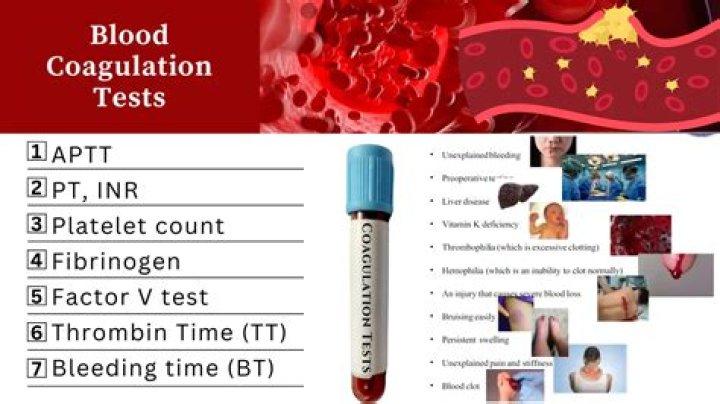
Coagulation tests measure your blood’s ability to clot, and how long it takes to clot. Testing can help your doctor assess your risk of excessive bleeding or developing clots (thrombosis) somewhere in your blood vessels. Coagulation tests are similar to most blood tests.