Can there be asbestos in floor tiles
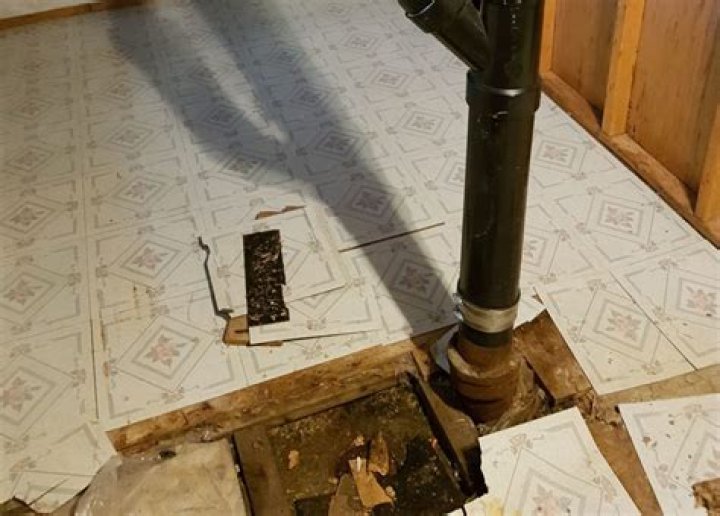
Flooring, including sheet vinyl, floor tiles and any associated paper-like backing, adhesive or glue, can contain asbestos. Asbestos was added during the production of flooring to strengthen the flooring and to increase its durability.
How can you tell if you have asbestos floor tiles?
Square floor tiles installed between 1920 and 1980 are most likely to contain asbestos. Ceiling tiles with asbestos were often square or rectangular. They can be identified by the trademark pinhole markings and powdery appearance.
Is asbestos in ceramic tile?
Is asbestos found non-resilient flooring such as ceramic floor tiles? … Ceramic floor and wall tile produced in North America would not be expected to contain asbestos. However you may find asbestos in some tile grouts and thinset tile mastics and possibly in hand-made tiles made as part of an art project using art clay.
What happens if you break asbestos tiles?
Asbestos floor tiles will not release toxic fibers and pose a health risk unless they are disturbed. Sanding, sawing, drilling, or tearing the tiles out, however, can release fibers into the air where they can be inhaled, so caution should be taken to not disturb them.How long after exposure to asbestos do symptoms appear?
The effects of long-term exposure to asbestos typically don’t show up until 10 to 40 years after initial exposure. Symptoms can vary in severity. Asbestosis signs and symptoms may include: Shortness of breath.
Can asbestos tile hurt you?
Asbestos flooring has asbestos fibers that can cause various health problems if inhaled, so never do anything that can crack, break, disturb or damage the tiles, which may cause the fibers to become airborne.
Are all 9x9 vinyl tiles asbestos?
Are all 9×9 tiles asbestos? As Dr. Riegel likes to say, “9×9 is 99% of the time asbestos!” Asbestos is extremely common in 9×9 floor tiles.
Does old linoleum have asbestos in it?
Old linoleum is a major source of asbestos. Removing it requires very special attention. Ripping it up can release untold numbers of microscopic pieces of friable asbestos into the air. Removal to avoid danger is hardly a do-it-yourself project.Can you cut asbestos tiles?
Cutting or breaking asbestoscement board or shingles releases asbestos fibers into the air. … If at all possible, asbestos shingles should be cut with a shingle cutter. Sawing siding panels with an abrasive saw will release large quantities of fibers.
How do I know if its asbestos?A visual inspection of your home is usually not sufficient to determine if it contains asbestos. Instead, samples of suspected asbestos fibers should be sent to a certified laboratory for analysis. Polarized Light Microscopy (PLM) and Transmission Electron Microscopy (TEM) are two approved methods of analysis.
Article first time published onShould I remove old vinyl flooring?
Vinyl flooring is a popular option. It’s inexpensive and easy to install. If you are ready to upgrade your existing floor, you will need to remove the old vinyl first. … Removing vinyl is a good DIY job most homeowners can do on their own.
Can you vacuum asbestos floor tiles?
Use a wet vacuum, preferably one equipped with a HEPA filtration system, to thoroughly clean the floor and remove the old wax and finish. If necessary, repeat this operation until all the existing finish is removed.
Can you put carpet over asbestos tile?
Yes, you can carpet over asbestos floor tiles, provided they are in good condition. When undamaged, they are not a danger and can be left in place. To apply carpet, be sure only to use glue and no nails, not risk piercing the older tile and causing fibers to become airborne.
What flooring can you put over vinyl?
Laminate flooring can be installed over vinyl as long as: The vinyl is level. The vinyl is in good condition. The vinyl is cleared of all debris and cleaned.
Do I need to remove asbestos tile?
Vinyl asbestos floor tiles must be removed, handled and disposed of in a manner that keeps the material intact to be considered nonfriable. The method of removal cannot crumble, pulverize or reduce the material to dust.