Can pool pipes freeze
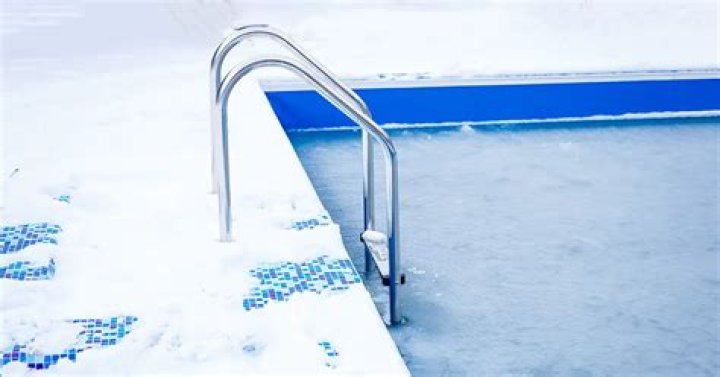
If you have an above ground pool with the pool filter system and plumbing above ground (like nearly all above ground pools), pipes and pumps can freeze up in less than an hour of minus 32 degrees. … As long as water is moving through all pipes and all equipment, nothing will freeze.
How do I keep my pool pipes from freezing?
Insulate plumbing lines with blankets or towels to prevent freezing. Even pool noodles can serve as good insulation around pipes. Open all lines to ensure proper water flow. If a valve is shut off, no water will be flowing through that pipe and there is the danger of freezing damage.
Will pool pipes freeze at 28 degrees?
Yes, although their freezing point is just a bit lower than regular chlorinated water. Salt water pools freeze usually freeze closer to 28 degrees as opposed to 32, but nonetheless, they still freeze. So, treat it just like any other pool.
How do I know if my pool pipes froze?
Cracked Pool Filter Housing Usually, this damage is pretty obvious, but sometimes it won’t be noticeable until the spring when you start your pool again. Tip: If you can see water dripping or leaking from the top of the filter housing during winter, it’s usually a sign of freeze damage.Will running pool pump prevent freezing?
Follow the guidelines below to keep your pool safe during freezing temperatures. Be sure to run your pool pump continuously when temperatures are near or below freezing. You don’t need to run your heater, moving water will not freeze. … Alternately, you can cover and drain the pump and pipes.
Do swimming pools freeze in the winter?
Mild climate pools often freeze across the surface overnight. However, if the ice sheet becomes thicker than ¼” to ½”, it will put pressure on your pool tile and skimmers as the ice expands. Most pool tile is frost-free, but you should keep the water under the perimeter pool tile band to be safe.
At what temperature will inground pool pipes freeze?
If you have an above ground pool with the pool filter system and plumbing above ground (like nearly all above ground pools), pipes and pumps can freeze up in less than an hour of minus 32 degrees. The same is true for inground pool equipment that is not running when temperatures are below freezing.
How does pool freeze protection work?
Freeze Protection Units allow pool and spa owners to set a desired temperature where their pump and heater will automatically turn on. Once the climate drops to the specified temperature, the Freeze Protection Unit kicks in. It turns on your pump and heater to keep the water moving, which prevents freeze expansion.Can pool pipes burst?
It is a significant problem, especially with water still inside your pool pipes. Stored water freezes quickly and could cause pipes to burst.
Do salt water pools freeze in the winter?Yes, saltwater pools will still freeze if you leave them full during the winter. They don’t have the salt levels of ocean water. The freeze point is slightly lower than a traditional pool, but you will still need to close or winterize your pool. Also, salt cells will not operate at temperatures below 50 degrees.
Article first time published onWhat temperature do you set pool freeze?
You should have a freeze protection device that will automatically turn the pump on when the temperature drops to around 34 degrees. A freeze protector will keep your pool running as long as the temperature remains close to freezing.
Will pipes freeze at 31 degrees?
Pipes can freeze at 32 degrees or below, but it will take a sustained period of time for this to happen. In other words, a pipe needs to be at freezing temperatures for at least half a day before homeowners have to worry about any freezing occurring.
How do you protect pool equipment in a freeze?
Install a Freeze Control Timer: A freeze control timer can protect your inground swimming pool and spa equipment as well as pipes. Just set the temperature with the adjustable thermostat and the freeze control timer turns the pump and heater on when the weather drops.
Is it bad to run your pool pump 24 hours a day?
Although it’s generally recommended that all the pool water undergo filtration every 24 hours, the pump does not need to run all the time. … If your pool is in constant use, you may need to run the pump for up to eight hours per day, frequently checking the water clarity and chemical balance.
Is it OK to leave a pool uncovered in winter?
No, but winter covers protect your pool from stains, algae growth and poor water balance that could damage pool surfaces. … However, if you want to close the pool, but keep it uncovered all winter, or if you need to delay purchasing a new cover until next fall – here are the steps we took to do it for our customer above.
Is it OK for above ground pool to freeze?
Can an above ground pool freeze solid? Above ground pools can freeze solid, especially in negative degree temperatures. Above ground pools will freeze solid from side to side within a few days in temperatures below zero degrees. However, very rarely will a pool freeze all the way to the bottom.
How do I winterize my plumbing pool?
- Test and balance the water and add winterizing chemicals.
- Thoroughly clean your pool and remove all attachments and accessories.
- Lower the water level and clean the filter.
- Drain the filter, pump, and heater, and remove fittings.
- Blow out and plug the return lines, skimmers, main drain, heater, etc.
How do you insulate PVC pipe from freezing?
Even if there’s only a small chance of freezing temperatures, your PVC pipes should be insulated enough to maintain temperatures above 32 degrees Fahrenheit. Fiberglass insulation is best, but foam insulation works well too. The latter is cheaper, and you can do it yourself, while fiberglass may require a professional.
Should I turn on pool heater to keep from freezing?
It’s important to remember that you don’t need to run your heater to prevent your pool water from freezing. In fact, running your heater in freezing conditions can cause substantial damage to the unit. If your pool has ice on its surface, break it up so that the skimmers and skimmer doors are kept clear.
Which is better salt water or chlorinated pool?
Lower chlorine levels make saltwater pools gentler on skin and eyes. … Chlorine levels in saltwater pools are enough to disinfect, but not enough to fade expensive swimwear and gear. Because of the natural chlorine, saltwater pools require fewer chemicals (and less attention) compared to chlorinated pools.
How long does it have to be below freezing for pipes to freeze?
As a general rule of thumb, in order for your home’s water pipes to freeze, the outside temperature needs to be below 20 degrees, for a total of at least six consecutive hours.
What do I do if my pool is frozen?
If the pool is already frozen more than 1/2″ thick, wait for a bit of a thaw before lowering, or break up the ice first before and while lowering the water level. For safety pool covers, be careful not to lower the pool more than 12″ below the tile line.
When should you worry about pipes freezing?
You should begin to worry about your pipes freezing if: You are leaving the house for more than four days. If you are planning on leaving the home for an extended period of time, your pipes could be at risk.
Should I shut off the water if my pipes freeze?
Thaw Frozen Pipes If they have a loss of water too, it may be the result of a main break. But if they have running water, it’s likely your pipes have frozen. Turn off the water immediately at the main shut off valve.
How long does it take pipes to freeze at 28 degrees?
Pipes can freeze in as little as six to eight hours, meaning they can freeze overnight. If the outside temperature is below 32 degrees F and your pipes are unprotected, your chances for a frozen pipe increase.